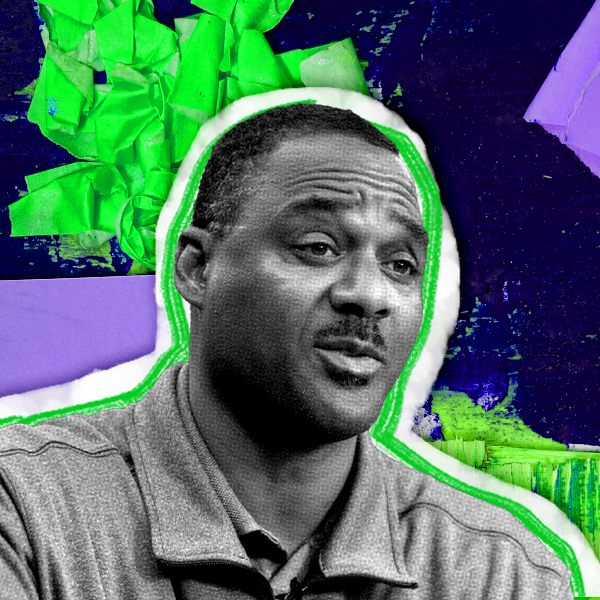
A typical day at the office starts at 4 a.m.—beating the traffic and getting tools on by 6. We meet up with our crews, go over the day’s tasks together, and then do whatever it takes to get it done safely. Ironworkers work everywhere: on the working floor, in the basements, out in the dirt, and on busy city sidewalks. The day ends shortly around 2 or 3 p.m. I leave the job with sore feet and the kind of satisfaction that only comes from a hard day’s work.
CAREER
Structural Iron and Steel Workers
Overview
Salary Median (2023)
$62,760
Projected Job Growth (2023-2033)
+4.3% (slower than the average)

Career
What Structural Iron and Steel Workers Do
Raise, place, and unite iron or steel girders, columns, and other structural members to form completed structures or structural frameworks. May erect metal storage tanks and assemble prefabricated metal buildings.
Other Job Titles Structural Iron and Steel Workers May Have
Fitter, Iron Worker, Ironworker, Steel Fabricator, Steel Worker, Structural Steel Erector, Tower Hand
How Leaders Describe a Typical Day at Work
Tasks & Responsibilities May Include
- Read specifications or blueprints to determine the locations, quantities, or sizes of materials required.
- Connect columns, beams, and girders with bolts, following blueprints and instructions from supervisors.
- Bolt aligned structural steel members in position for permanent riveting, bolting, or welding into place.
- Fasten structural steel members to hoist cables, using chains, cables, or rope.
- Hoist steel beams, girders, or columns into place, using cranes or signaling hoisting equipment operators to lift and position structural steel members.

Education
Level of Education Attained by Structural Iron and Steel Workers
Most common level of education among people in
this career: High school diploma or equivalent (42%)
Less than high school diploma
High school diploma or equivalent
Post-secondary certificate
Majors Related to Career

Getting Started
Recommended First Step for:
High School Students
If you're looking to get into the trades, I'd recommend doing so straight after high school. My 4-year apprenticeship gave me the majority of the credits I needed for my associate degree. I also became a certified welder, crane signalman and rigger, forklift operator, and certified in CPR and first aid. I've received training from my union to become a superintendent and business owner. They continue to help us grow and reach that next step in life while allowing us to work at the same time.

This page includes information from theO*NET 29.2 Databaseby the U.S. Department of Labor, Employment and Training Administration (USDOL/ETA). Used under theCC BY 4.0license. O*NET® is a trademark of USDOL/ETA.